What Are the Benefits of LED Sheets for Backlit Signage?

Time:2026-11-17 Author:Sienna
0%

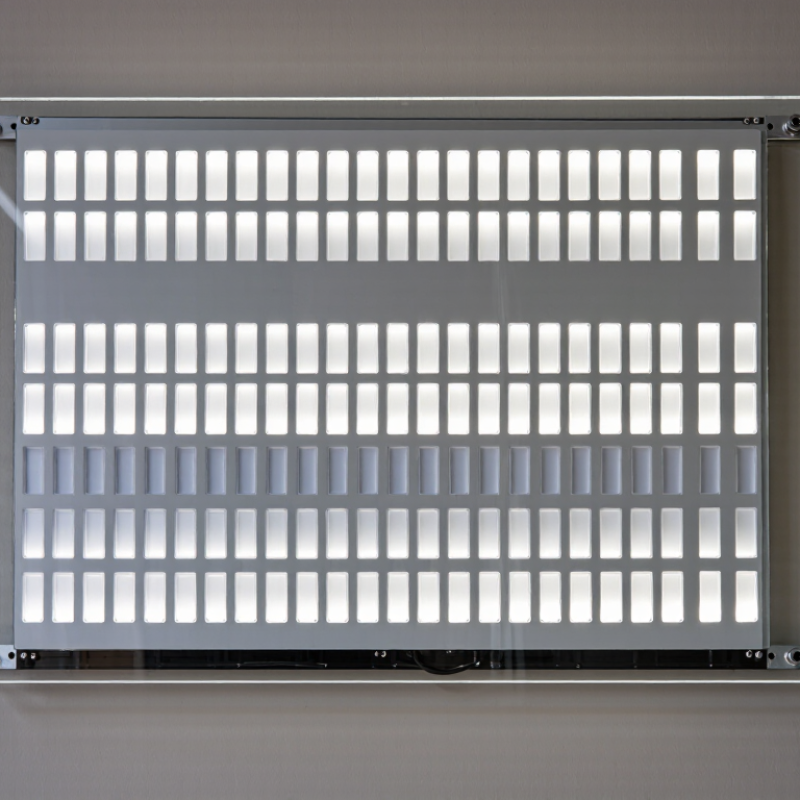
Backlit signage has one job: make a message clear, even when daylight fades or a shop window reflects passing cars. LED sheets help by spreading light across a broad, shallow surface. The result can be an evenly illuminated graphic without the visible bright spots sometimes produced by separated modules. For a sign maker, that difference shows in the details: smoother color fields, cleaner edges, and less shadowing around a printed image.

So, what are the benefits of using LED sheets for backlight signage? Lighting designer and engineer James R. Benya is known for emphasizing thoughtful lighting design. A useful paraphrase of that principle is: “Light should support the message, not compete with it.” LED sheets can support that goal while keeping sign profiles slim and installation layouts relatively simple. Their modular format may also help teams plan large panels with consistent coverage. Actual performance depends on sheet spacing, diffuser choice, power supply, and the sign’s depth.

There are trade-offs. Poorly matched components can create uneven brightness, visible seams, or unwanted color shifts. Heat management and access for maintenance deserve attention, too. A sheet that looks uniform on a workbench may behave differently behind a thick graphic or tinted acrylic. Small details matter. This introduction examines where LED sheets offer practical advantages, what specifications influence results, and which design compromises deserve a second look before production begins.
What Are the Benefits of LED Sheets for Backlit Signage?

What LED Sheets Are and How They Illuminate Backlit Signs

An LED sheet is a flat, connected array of small light-emitting diodes mounted on a circuit board or flexible substrate. In a backlit sign, the sheet sits behind translucent printed material or a diffuser. Its many light points spread illumination across the panel, making letters and images visible after dark. The exact layout matters: LEDs placed too far apart can leave dim patches, while a diffuser softens bright spots. Simple in principle. Not always in practice.

The U.S. Department of Energy’s 2020 U.S. Lighting Market Characterization reported that LEDs made up about 48% of installed lighting stock in the United States that year. That figure describes lighting broadly, not signage alone, but it shows how established the technology has become. DOE’s 2017 Energy Savings Forecast of Solid-State Lighting projected 569 terawatt-hours of annual U.S. electricity savings by 2035 compared with a scenario without LED adoption. It is a broad projection, not a guarantee for an individual sign. For sign makers, sheet design still needs to match the panel’s size, depth, and viewing conditions. A bright center and dim corners can spoil an otherwise crisp graphic.

How Even Light Distribution Improves Sign Visibility

What Are the Benefits of LED Sheets for Backlit Signage?

How Even Light Distribution Improves Sign Visibility

A backlit sign is only as clear as its dimmest area. LED sheets spread light across a broad panel, helping reduce bright dots, shadowed corners, and uneven patches behind printed graphics. When illumination is more consistent, letter edges stay distinct and colors look closer to their intended appearance. This matters in a shop window, where reflections and changing daylight can already weaken contrast.

The details matter. The sheet needs the right spacing from the graphic, plus a diffuser suited to the panel depth. Too close, and individual LEDs may show through; too far, and light can be wasted or the cabinet made unnecessarily deep. Check luminance at the center and corners with a meter, rather than judging from one viewing position. The U.S. Department of Energy’s Energy Saver guidance reports that LEDs use at least 75% less energy and last up to 25 times longer than incandescent lighting; those figures compare lighting technologies, not sign visibility, but they can inform operating-cost decisions.

Tips: Before installation, switch the sign on in a dim room. Look for visible bright spots, then recheck it from the sidewalk. A small test panel can reveal problems early. It is not a perfect substitute for a finished sign, but it can catch unevenness before the full cabinet is built.

What Are the Benefits of LED Sheets for Backlit Signage? – How Even Light Distribution Improves Sign Visibility
Factor How LED Sheets Help Effect on Sign Visibility Design Consideration
Light distribution A suitably designed sheet places multiple LEDs across a broad area behind the sign face. More consistent illumination can make text and graphics easier to read across the panel. Uniformity depends on LED spacing, panel size, optics, and the distance to the sign face.
Hot spots and dark areas A well-matched sheet and diffuser can reduce visible bright points and dim patches. More even brightness helps prevent parts of a message from competing with one another. Check the finished assembly; the sheet alone does not guarantee a uniform appearance.
Diffusion and spacing Diffusing materials blend light from individual LEDs before it reaches the sign face. A properly diffused face appears smoother, especially in areas with large, light-colored graphics. The required diffuser and spacing vary with LED layout, face material, and sign depth.
Brightness consistency A distributed light source can illuminate a larger sign area without relying on a single concentrated source. Consistent brightness supports legibility across the sign rather than only near its center. Use appropriate power supplies and wiring, and verify brightness across the complete panel.
Color appearance LED output illuminates translucent sign faces and printed graphics from behind. Even backlighting helps colors and visual details appear more consistent across the sign. The perceived color also depends on LED color characteristics, print materials, and face transparency.
Energy and heat management LEDs convert electrical power into light and heat; their efficiency and operating temperature depend on the design. Stable operation helps maintain dependable illumination over time. Follow installation guidance for ventilation, electrical loading, and access for maintenance.
Panel layout and maintenance Sheet-based layouts can be planned to cover the intended illuminated area. Coverage that matches the sign face helps avoid unlit edges and uneven sections. Plan sheet placement, connections, and service access around the sign’s shape and installation conditions.

Energy Efficiency and Operating Cost Benefits

LED sheets can reduce the electricity needed to illuminate a backlit sign, especially when they replace older, higher-wattage lighting. The U.S. Department of Energy’s Energy Saver guidance reports that LEDs use at least 75% less energy than incandescent lighting. That figure is a useful benchmark, not a promise for every sign: fluorescent tubes are a different comparison, and actual savings depend on the existing system, brightness, and operating hours.

Consider a sign operating 12 hours daily. Replacing a 100-watt fluorescent setup with a 60-watt LED sheet would save about 175 kilowatt-hours per year. At an assumed rate of 15 cents per kilowatt-hour, that is roughly 26 dollars annually per sign. Small loads add up. For a chain with many signs, the reduction can become more meaningful, though local electricity rates change the result.

Operating costs also depend on the LED driver, dimming settings, and heat inside the sign cabinet. A practical check is to measure the old and new systems at comparable brightness, then multiply the wattage difference by actual daily hours. It takes effort. But estimates based only on product labels can mislead; brightness and real-world usage are easy to overlook. The DOE’s LED energy guidance supports the efficiency case, while a site-specific measurement gives a more reliable cost estimate.

Flexible Design Options for Different Sign Formats

LED sheets give sign makers more freedom than rigid, evenly spaced light modules. Their thin layout can suit wide logos, narrow menu panels, and display boxes with unusual proportions. Sheets can often be trimmed along marked lines, helping installers fit illumination around letters or graphic shapes. Check the cut pattern before designing; cutting across a circuit can leave dark sections. Small details matter.

For a curved fascia, a flexible sheet may follow a gentle contour where rigid modules would create gaps. It can also spread light across a broad, shallow cabinet without filling the space with separate fixtures. A diffuser still matters. It softens bright points and helps keep colors consistent across the face. For tall, slim signs, installers can arrange sheets in strips and plan wiring around supports or access panels.

The fit is rarely perfect on the first mock-up. That is normal. A paper template can reveal awkward corners before the sign is assembled. Designers should also confirm power requirements, heat management, and service access for the chosen format. A very tight bend may stress the sheet, while dense graphics can block useful light. Flexible design has limits.

Durability, Maintenance, and Long-Term Performance

LED sheets can improve the working life of backlit signs because many use evenly spaced light sources and flexible, low-profile construction. When installed behind a clean diffuser, they can reduce obvious bright spots and help keep large panels readable. Even illumination matters in shop windows, where daylight can make weak areas look patchy.

Durability depends on more than the LEDs themselves. A well-supported sheet is less likely to sag, while sealed electrical connections help limit damage from dust and occasional moisture. Installers should avoid tight bends, pinched wires, and trapped heat. These details are easy to overlook. They can shorten service life.

Maintenance is usually straightforward: switch off power, inspect connectors, and remove dust from the panel and diffuser with a soft cloth. If one section dims, check the power supply and wiring before replacing the entire sheet. Still, LED sheets are not maintenance-free, and poor ventilation can cause early failures. I would not assume that lower energy use guarantees lower lifetime cost; access, installation quality, and replacement-part availability also matter. Keeping a simple service record can reveal recurring faults before they leave part of a sign visibly dim.

FAQS

How can LED sheets reduce a sign’s electricity use?

They can use less power than older lighting, especially when replacing higher-wattage systems. Actual savings vary.

How much could one sign save each year?

A 100-watt fluorescent setup replaced by a 60-watt LED sheet may save about 175 kilowatt-hours yearly. At 15 cents per kilowatt-hour, that is roughly $26. A rough estimate.

How can I estimate savings for my sign?

Compare old and new wattage at similar brightness. Multiply the difference by daily operating hours and your electricity rate. Real measurements help.

What affects an LED sheet’s operating cost?

Driver efficiency, dimming settings, cabinet heat, and daily use all matter. Product labels alone can mislead.

Can LED sheets make a sign look more evenly lit?

They can reduce bright spots when installed behind a clean diffuser. Even lighting helps large panels stay readable, especially in bright shop windows.

What can shorten an LED sheet’s service life?

Poor support, tight bends, pinched wires, trapped heat, and weak ventilation can cause problems. Small details matter.

How should I maintain an LED sheet?

Switch off power before inspection. Check connectors and wiring, then remove dust with a soft cloth. If one area dims, inspect the power supply first.

Does lower energy use guarantee a lower lifetime cost?

No. Installation quality, access, and replacement-part availability also affect costs. I would not assume the estimate tells the whole story.

Conclusion

LED sheets provide a slim, evenly illuminated light source behind printed graphics, helping backlit signs appear bright and clear. What are the benefits of using LED sheets for backlight signage? Their uniform light distribution reduces dim spots and glare, so text, images, and colors remain easier to see across the sign. LED sheets can also use less energy than many traditional lighting options, helping lower electricity use and operating costs over time.

Their thin, adaptable design suits a range of sign shapes and formats, including displays where space is limited. With long-lasting components and low heat output, LED sheets can reduce maintenance needs and support consistent performance. These qualities make them a practical choice for businesses seeking attractive, efficient backlit signage that remains dependable with regular use.

Sienna

Sienna

Sienna is a skilled marketing professional with a deep expertise in our company’s core products and services. With a passion for innovation and detail, she plays a pivotal role in crafting insightful blog posts that not only highlight the unique features of our offerings but also provide valuable......