Choosing the right lighting is crucial for any retail environment. Many factors influence customer behavior and sales, and the color rendering index (CRI) is one of the most important. It measures how accurately lights reveal the true colors of objects. Thus, understanding "How to choose the right CRI for retail LED lighting?" becomes essential.
A higher CRI means better color accuracy, which can enhance product presentation. It may make items look more appealing and authentic. However, selecting the perfect CRI is not always straightforward. Retailers must consider the impact of lighting on customer emotions and experiences. A balance between brightness and color quality is necessary.
Some may overlook the importance of CRI in their lighting strategy. Ignoring this factor can lead to poor product displays and a less inviting atmosphere. Customers may feel uncertain about their purchases. Reflecting on your lighting choices can lead to surprising insights. Ultimately, the right CRI can enhance your brand's reliability and authority in the market.
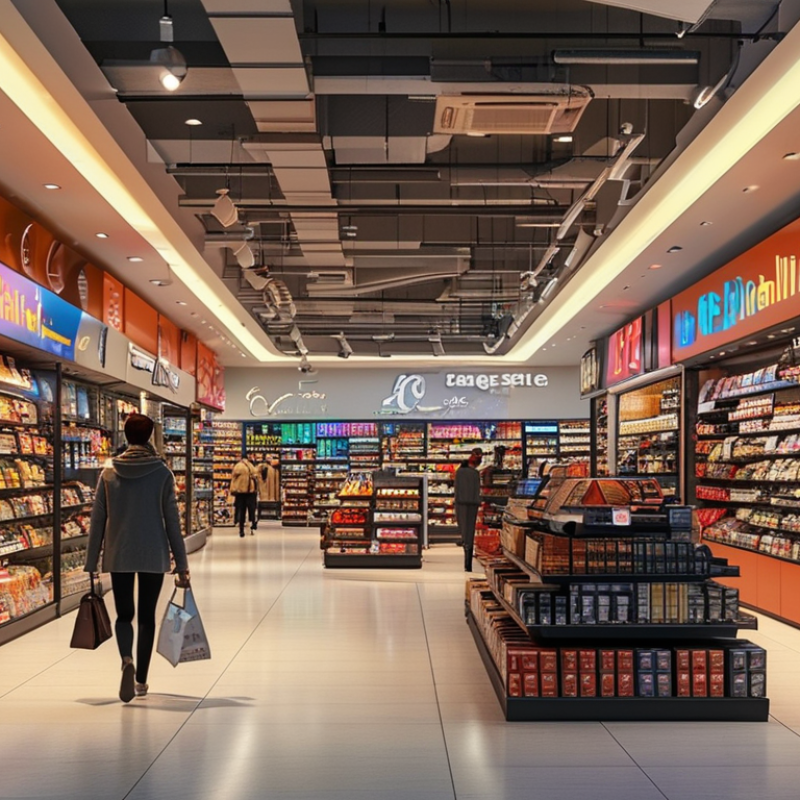
Understanding the Color Rendering Index (CRI) is essential for optimizing retail LED lighting. CRI measures how accurately colors appear under artificial light compared to natural light. A higher CRI, ideally above 90, reflects better color accuracy. This is crucial in retail environments. Customers should see colors as they truly are, enhancing product appeal.
However, achieving high CRI lighting is not just about numbers. It involves practical considerations. Some LED lights can have a high CRI but may lack other qualities, like brightness or energy efficiency. This can lead to perceived color distortion in certain products. It’s essential to test lighting in-store before making a decision.
Additionally, different products might require different CRI levels. For instance, apparel shops might benefit from higher CRI to showcase fabrics and colors. In contrast, some electronics may seem fine under moderate CRI. Retailers should explore various lighting options. Finding the right balance is often a process of trial and error. Always be willing to reassess lighting choices based on customer feedback and visual impact.
Choosing the right Color Rendering Index (CRI) for retail lighting is crucial.
High CRI values enhance color accuracy. Products look true to their shades, attracting more customers.
In a retail space, the right lighting can direct attention to key merchandise.
Inconsistencies in color under poor lighting can confuse shoppers.
A CRI of 90 or above often works best for fashion and beauty products.
Retail environments thrive on experience. Lighting impacts mood and engagement.
An inviting glow encourages exploration. However, too much glare can push customers away.
Consider using layered lighting.
Ambient, accent, and task lighting create depth. Ensure that the CRI remains high across all layers.
This complexity may require careful planning.
A single misstep in lighting choice can harm the overall aesthetic.
Balancing creativity and functionality is essential. Retailers may struggle to find the ideal setup.
Feedback from customers can reveal blind spots. Sometimes, a lighting overhaul might be needed.
Observing how lighting affects shopping behavior is essential.
Small changes can lead to significant improvements.
Lighting is not just about visibility; it shapes experiences.
Choosing the right Color Rendering Index (CRI) for retail lighting can significantly influence customer experience. Numerous factors determine which CRI is best. One crucial aspect is the type of merchandise displayed. For example, clothing shops benefit from higher CRI levels to reveal true colors. Foods require similar high CRI values, enhancing freshness perception.
Another consideration is the store's design and atmosphere. A vibrant, modern aesthetic may need a CRI above 90. Meanwhile, a vintage store could function well with lower CRI levels, creating a nostalgic feel. Reflect on how lighting interacts with your interior design. Poorly chosen CRI can distort colors and affect sales.
Customer demographics also play a role in CRI selection. Younger shoppers might prefer brighter, vivid lighting. In contrast, older customers may appreciate softer, less harsh illumination. It’s essential to observe how your lighting affects customer behavior. Experimenting with different CRI levels can reveal insights. Collect feedback from customers for better decisions. Balancing aesthetics with functionality is key and often requires a few trials.
When selecting LED lighting for retail spaces, the Color Rendering Index (CRI) plays a crucial role. CRI measures how accurately light sources reveal colors compared to natural light. A higher CRI value, ideally above 90, is recommended for retail settings to make products appear vibrant and true to their colors. This is especially important for textiles, cosmetics, and food items. Customers are likely to make purchases based on how appealing products look under the lighting.
However, higher CRI doesn’t always mean better results. Some products can appear washed out under certain lighting conditions. For instance, a high CRI LED may not enhance the vibrancy of colored paint if the fixture produces a yellowish hue. Retailers should test various CRI levels in their unique setting. Every space has different characteristics, and lighting can interact with surfaces in unexpected ways.
Ultimately, finding the right CRI for retail lighting involves experimentation and reflection. Engaging with customers about their preferences can provide valuable insights. Observing how products look in various lights can also guide decisions. The goal is to create an inviting atmosphere that showcases products effectively. Proper lighting can transform a shopping experience, influencing customer satisfaction and sales.
| CRI Level | Color Rendering Quality | Best Use Cases | Impact on Product Display |
|---|---|---|---|
| 80-84 | Good | General Lighting | Adequate color distinction, suitable for non-color-critical displays |
| 85-89 | Very Good | Grocery Stores, Clothing Retail | Better representation of colors, enhances product appeal |
| 90-94 | Excellent | Jewelry Stores, Art Galleries | Vibrant color display, attracts high-end products |
| 95+ | Exceptional | High-End Retail, Photography Studios | Truest color replication, ideal for premium displays |
When implementing high-CRI lighting in retail spaces, attention to detail is crucial. Research indicates that high Color Rendering Index (CRI) lighting can enhance the shopping experience. Consumers tend to feel more comfortable when colors appear vibrant and accurate. A study from the Lighting Research Center shows that high-CRI lighting can increase sales by up to 30% in retail environments.
Consider the placement of lights. Positioning fixtures at specific angles can create an inviting atmosphere. Utilize diffusers to soften the light, reducing harsh shadows. This not only enhances product display but also makes the shopping experience more pleasant. Look into LED options that provide a CRI of 90 or higher for optimal color representation.
However, not all high-CRI lights are created equal. Some may consume more energy than anticipated. Regularly assess energy usage and color performance to ensure long-term value. Gather feedback from customers about their experience under these lights. Their insights can guide adjustments, helping to create a balanced and appealing retail environment.
: CRI measures color accuracy under artificial light compared to natural light. Higher CRI means better color representation.
A high CRI enhances product appeal. It helps customers see true colors, attracting them to products.
No, some high CRI lights may lack brightness or efficiency. Testing them in store is crucial.
Lighting affects mood. An inviting glow encourages exploration, while glare can deter customers from shopping.
A CRI of 90 or above works best for fashion and beauty items for accurate color representation.
Proper placement creates an inviting atmosphere. Angled fixtures and diffusers enhance product display and comfort.
Observing customer reactions and asking for their opinions helps identify lighting issues and improve experience.
It may require a lighting overhaul. Small changes can lead to noticeable improvements in customer engagement.
High CRI lighting can increase sales by making products look vibrant. Research shows improvements of up to 30%.
Yes, some may consume more energy than expected. Regular assessments of energy usage are necessary for sustained value.
Choosing the right Color Rendering Index (CRI) for retail LED lighting is crucial for enhancing product presentation and creating an appealing shopping environment. This article outlines the importance of understanding CRI in LED lighting, emphasizing its impact on how colors appear to customers. Retail environments benefit significantly from higher CRI levels, as they improve color accuracy and customer experience.
Factors influencing CRI selection include the types of products displayed, the store's ambiance, and customer demographics. The article also compares different CRI levels and their effects on visual merchandising. Finally, it provides practical tips for implementing high-CRI lighting solutions, ensuring that retail spaces effectively showcase products while attracting and retaining customers. By following these guidelines, retailers can better understand how to choose the right CRI for their needs, ultimately driving sales and enhancing customer satisfaction.

Zionsville Lighting