How to Create a Wall Wash Effect with Linear LED Lighting?

Time:2026-05-28 Author:Ethan
0%

Understanding how to achieve a "wall wash" effect with linear LED lighting is essential for modern interior design. This technique enhances aesthetics, creating inviting environments. According to a report by MarketsandMarkets, the global LED lighting market is expected to reach $105.68 billion by 2025. This growth underscores the importance of effective lighting solutions.

Linear LED lighting provides a versatile option for achieving a wall wash effect. It strategically diffuses light across vertical surfaces. In a study by the Department of Energy, LED lighting can improve energy efficiency by up to 75% compared to traditional lighting. However, achieving the perfect wash requires careful consideration of spacing and intensity.

Designers must recognize potential challenges. An uneven application may lead to undesirable shadows or hotspots. Thoughtful planning is crucial. Considering factors like surface texture and color can enhance the wash effect. This highlights the importance of industry knowledge, as optimal results vary by setting and purpose. Exploring various approaches can lead to innovative designs while ensuring reliability in execution.
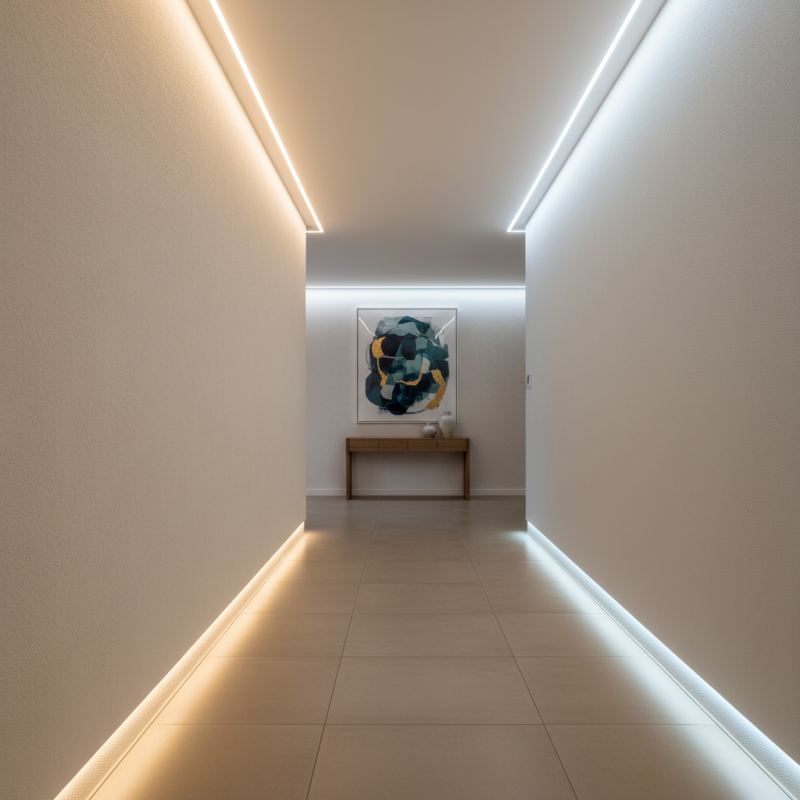
How to Create a Wall Wash Effect with Linear LED Lighting?

Understanding the Wall Wash Effect and Its Applications

The wall wash effect is a popular lighting technique used in various settings, from galleries to retail spaces. It creates an even distribution of light across a wall surface, enhancing the texture and color of the wall. This effect is achieved by directing linear LED lights at a specific angle, allowing light to spread smoothly.

Applications of the wall wash effect range widely. In art galleries, it highlights artwork without creating harsh shadows or bright spots. In retail, it enhances product displays, making them more appealing. Hotels and restaurants use this technique to create inviting atmospheres. However, creating an effective wash can be challenging. Variations in surface texture and wall color may lead to inconsistent lighting. Experimentation is often necessary to achieve the desired effect.

Placement and distance of the LED lights can significantly impact the outcome. Too far, and the effect may become washed out. Too close, and the light may appear harsh. Thus, testing different configurations is crucial for optimal results. Observing how light interacts with the surface will guide adjustments. Ultimately, the wall wash effect offers versatility but requires careful planning and execution.

How to Create a Wall Wash Effect with Linear LED Lighting? - Understanding the Wall Wash Effect and Its Applications

Lighting Type Color Temperature (K) Lumen Output (lm) Beam Angle (°) Application Areas
Linear LED Strip 3000 700 120 Retail Displays, Accent Lighting
RGB LED Wall Wash 4000 900 100 Theatrical Lighting, Architectural Lighting
Recessed Linear LED 5000 800 110 Hallways, Museums, Gallery Lighting
Surface Mounted LED Bars 3500 600 130 Retail Spaces, Wall Accents

Selecting the Right Linear LED Lighting for Wall Washing

When selecting linear LED lighting for wall washing, consider the color temperature carefully. Warmer tones create a cozy atmosphere, while cooler tones are more modern and vibrant. Think about the space you are illuminating. Is it a gallery or a living room? The purpose of the lighting will influence your choice.

The width of the beam angle also plays a crucial role. A narrow beam may highlight textures effectively, but a wider beam provides an even wash. It is essential to balance intensity and coverage to avoid harsh shadows. For larger walls, multiple fixtures might be necessary, but placement requires thought. Too close can cause hot spots; too far can leave dark areas.

Experimenting is vital. Test different positions and angles to see how the light interacts with the wall. You might discover unexpected highlights or shadows that enhance the design. Remember, not every choice will yield the desired result, and that’s okay. Adjusting your approach based on observations can lead to a more satisfying outcome. Trust your instincts and enjoy the process of finding the perfect lighting solution.

Wall Wash Effect with Linear LED Lighting

Optimal Placement and Angling of Linear LEDs for Effectiveness

Creating a wall wash effect with linear LED lighting requires careful consideration of placement and angling. Positioning the LEDs about 12 to 24 inches from the wall often achieves the desired effect. This distance allows for a smooth gradient of light, washing the surface evenly. The height at which you mount the lights is also critical. Mounting them too high may lead to undesirable shadows, while too low can create a harsh look.

The angle of the LEDs significantly impacts the effectiveness of the wash. Aiming the lights slightly downward can enhance the wash effect, ensuring the light spreads across the wall evenly. However, it’s easy to overshoot the angle. Too steep an angle might lead to hotspots, which disrupt the smooth appearance. In contrast, a shallow angle could leave areas of the wall inadequately lit. Experimenting with various angles helps refine the look.

Consider the wall's texture and color as well. A rough surface can absorb light, changing the overall effect. Lighter colors reflect brightness, while darker shades soak it up. Testing different combinations helps in achieving the ideal wash. It's an evolving process, requiring adjustments and reflections on the results. This attention to detail transforms a simple lighting project into a captivating visual statement.

Adjusting Brightness and Color Temperature for Desired Ambiance

Creating a wall wash effect with linear LED lighting can transform any space. The key lies in adjusting brightness and color temperature to achieve the desired ambiance. According to a report by the Lighting Research Center, certain color temperatures can enhance mood and productivity. For instance, warm white light (3000K) is ideal for relaxation, while cool white light (5000K) boosts alertness.

Tips: Use a dimmer to control brightness levels easily. This not only saves energy but also allows for greater flexibility in ambiance. A simple adjustment can change a room's mood entirely.

Color temperature is equally crucial. Research shows that cooler temperatures are beneficial in areas requiring focus, such as offices. However, consider visitor comfort when choosing lighting for hospitality spaces. Finding the right balance can be challenging. Too bright or too dim lighting can lead to discomfort.

Tips: Experiment with different settings before finalizing installations. This trial-and-error process is vital in customizing ambient light. Use smart LED systems to fine-tune settings remotely and track usage patterns. Adjustments may be necessary even after installation, as lighting can appear different at various times of the day. Listening to feedback will help refine your choices.

Maintenance and Troubleshooting Tips for Linear LED Wall Washes

When maintaining linear LED wall washes, it’s essential to regularly inspect the fixtures for dust and debris. Accumulated dirt can diffuse the light, diminishing the wash effect's intensity. Use a soft cloth or a microfiber duster to gently clean the surface. Routine checks can prevent more extensive issues later. Keep an eye on the light output. If certain areas appear dimmer, a quick clean may solve the problem.

Troubleshooting issues with linear LED wall washes can be straightforward. Flickering lights indicate possible power supply issues. Check connections to ensure they are secure and free from damage. If a light has completely failed, examine individual LED connections. Sometimes, replacing just one LED can restore the entire fixture. Look for flaws in wiring or worn-out components, as these may lead to inconsistencies in performance. Always ensure power is switched off during these checks to maintain safety.

FAQS

: What is the ideal distance for placing linear LEDs from the wall?

: Positioning them about 12 to 24 inches from the wall often achieves a smooth wash effect.

How high should I mount the LED lights?

Mounting too high can create unwanted shadows. Too low may result in a harsh appearance.

How does the angle of the LEDs affect the wash effect?

Aiming them slightly downward enhances the wash. However, angles can easily be overshot or too shallow.

What should I consider about the wall's surface before installing LEDs?

The texture and color are important. Rough surfaces absorb light, while lighter colors reflect it.

How can I maintain my linear LED wall washes?

Regularly inspect for dust. A soft cloth can help clean the fixtures to maintain light intensity.

What should I do if my LED lights flicker?

Flickering may indicate power supply issues. Check connections to ensure they are secure.

How can I troubleshoot LED failures?

Examine individual LED connections and look for wiring flaws. Sometimes replacing one LED can restore functionality.

What reflects well on LED installation?

Testing different angles and distances is important. It requires adjustments and a desire to improve the result.

What if some areas remain dim after cleaning?

If dim spots persist, there may be deeper issues in wiring or connections. Further inspection is necessary.

Can I install LED lights myself?

Yes, but ensure you follow safety guidelines, especially when checking power supply or connections.

Conclusion

The article "How to Create a Wall Wash Effect with Linear LED Lighting?" provides a comprehensive guide on achieving a seamless and aesthetically pleasing wall wash effect. It begins by explaining the wall wash effect and its various applications in enhancing the visual appeal of spaces. Selecting the right linear LED lighting is crucial, and the article outlines the key features to consider for optimal results.

Further exploration includes the importance of the placement and angling of linear LEDs to ensure effective light distribution. Enhancing the ambiance through careful adjustments of brightness and color temperature is also discussed. Finally, the article offers valuable maintenance and troubleshooting tips to ensure the longevity and consistent performance of linear LED wall washes. This knowledge equips readers with the practical insights needed to confidently address the question: "How to achieve a 'wall wash' effect with linear LED lighting?

Ethan

Ethan

Ethan is a seasoned marketing professional with a deep expertise in our company's innovative product line. With a passion for sharing knowledge and insights, he takes the lead in regularly updating our corporate blog, where he explores industry trends, product features, and effective marketing......