How to Fix a Buzzing LED Power Supply Issue?

Time:2026-07-08 Author:Madeline
0%

The prevalence of LED lighting in both residential and commercial settings has surged in recent years. According to a report by the U.S. Department of Energy, LEDs accounted for about 45% of the general illumination market in 2020. As more people adopt this energy-efficient technology, it's common to encounter issues with LED power supplies. A frequently asked question is, "Why is my LED power supply making a buzzing noise?" This buzzing can indicate underlying problems that may affect the lifespan of your LED systems.

Many users may not realize that a buzzing noise can originate from poor-quality power supplies. Research indicates that improperly designed or outdated power supplies can create electromagnetic interference, leading to unsatisfactory performance. Additionally, the buzzing may be more pronounced under specific conditions, such as fluctuation in load or voltage. It's essential to understand these factors to ensure the reliability of LED systems. Addressing issues like these not only enhances the lifespan of your lighting but also improves overall energy efficiency.

Troubleshooting a buzzing LED power supply is crucial for maintaining function and comfort. Sound issues in power supplies can be both annoying and indicative of deeper problems that, if left unaddressed, can escalate. Taking action sooner rather than later ensures that your lighting solutions continue to perform effectively with minimal disruption.
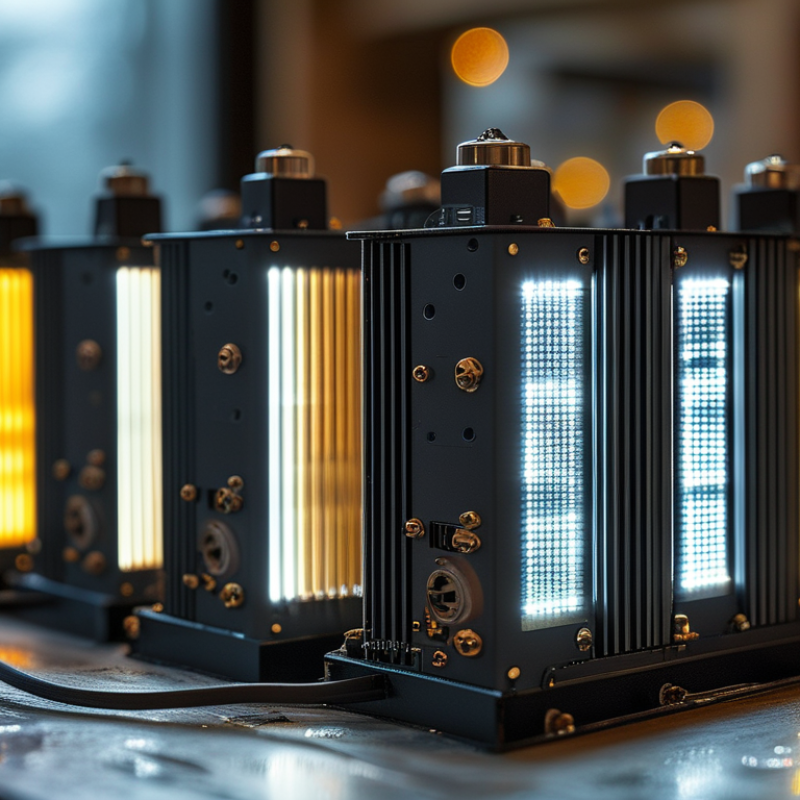
How to Fix a Buzzing LED Power Supply Issue?

Understanding the Common Causes of Buzzing in LED Power Supplies

Buzzing in LED power supplies can be frustrating and distracting. Understanding why these noises occur is essential for troubleshooting. The most common cause of buzzing is electromagnetic interference. This happens when electrical components vibrate due to alternating current, creating an audible hum. Loose components can amplify this effect, making the buzzing more pronounced.

Another significant factor is the dimming circuit. Some dimmers are not compatible with LED technology, leading to inconsistent power delivery. This inconsistency can cause the power supply to react poorly, resulting in buzzing noises. Additionally, overheating can exacerbate the problem. When power supplies run too hot, components may expand and contract, which can create unwanted sounds.

Finally, aging or low-quality components often contribute to these issues. Over time, capacitors can wear out and lose their effectiveness. This can lead to a buzzing sound as the power supply struggles to maintain stable voltage. Addressing these points can improve both the lifespan and performance of your LED lighting setup.

Identifying Signs of a Malfunctioning LED Power Supply

A buzzing LED power supply is often a clear sign of an underlying issue. Electrical humming or buzzing can result from several factors. Poor quality components, for example, may fail to handle load properly. According to a 2023 report by the International Energy Agency, more than 20% of LED fixtures have reported malfunctions related to their power supplies.

You might notice flickering lights or uneven brightness. These are additional indicators that your LED power supply is not performing as expected. A malfunctioning power supply can cause rapid wear on LEDs, shortening their lifespan. A study from the National Renewable Energy Laboratory found that improper power supply can lead to a 30% decrease in LED performance.

It's crucial to pay attention to temperature as well. Overheating can create undue stress on components. If your power supply feels excessively warm, it may be time for replacement. Regular maintenance can help prevent these issues, but not all power supplies are built equally. Ensuring the integrity of your components is essential for reliability and safety.

Step-by-Step Guide to Diagnose the Buzzing Issue

Buzzing sounds from a LED power supply can be annoying. It’s important to diagnose the issue properly. Begin by checking the power supply’s voltage. Use a multimeter to ensure it matches the required specifications. If the readings are off, your power supply may be faulty.

Examine the environment where the power supply operates. Poor ventilation can lead to overheating, causing noise. Ensure there’s adequate airflow around the unit. Sometimes, components like inductors and capacitors can vibrate, creating buzz. A loose connection could also be the culprit. Inspect all wiring for tightness and security.

Consider replacement if the buzzing persists. Often, persistent buzzing signals an underlying problem. Reflect on the age of the power supply. Older units may fail over time. Newer or higher-quality power supplies often perform better. So, it’s always wise to weigh your options.

Recommended Solutions to Fix a Buzzing LED Power Supply

A buzzing LED power supply can be quite annoying. This issue often arises due to electromagnetic interference or poor quality components in the unit. If you're experiencing this problem, several solutions may help. First, check connections. Loose wires can cause vibrations. Secure all connections to ensure a stable flow of electricity.

Another common solution is to replace the power supply with a higher-quality unit. This action often eliminates buzzing sounds. If replacing is not an option, consider adding an insulated pad. These pads can reduce vibrations and noise.

Using a power supply with active power factor correction can also help. Such units tend to operate more quietly.

Sometimes, environmental factors play a role. Ensure the power supply is in a wells-ventilated area. Overheating can increase buzzing. You can also experiment with different locations.

Changing the position of the power supply might reduce noise. This approach requires some trial and error. Ultimately, addressing the buzzing requires patience and creativity in finding the right solution.

Preventive Measures to Avoid Future Buzzing Problems

Buzzing noises from LED power supplies can be annoying and distracting. To prevent this issue, choosing quality components is crucial. Reports indicate that poor-quality transformers and capacitors often lead to operational noise. Ensuring compatibility between the LED driver and the fixtures reduces buzzing significantly.

One effective tip is to maintain proper electrical grounding. This step minimizes electrical interference, which can worsen buzzing sounds. Installing ferrite beads on power cables can also help reduce electromagnetic interference. Many professionals recommend this method to maintain a quiet environment.

Another important measure is to avoid overloading the power supply. Data shows that exceeding the rated capacity leads to overheating, vibrations, and buzzing. Regularly check power load and adjust as needed. Keeping the power supply cool can prolong its life and effectiveness, ultimately preventing buzzing issues.

How to Fix a Buzzing LED Power Supply Issue? - Preventive Measures to Avoid Future Buzzing Problems

Issue Cause Solution Preventive Measure
Buzzing Noise Under Load High-frequency noise due to electromagnetic interference. Use a power supply with better filtering. Choose high-quality power supplies and avoid overloading.
Loud Buzzing When Not in Use Inadequate load or no load conditions can lead to vibrations. Implement a small dummy load to maintain minimum current. Regularly test power supplies even when not in use.
Overheating Power Supply Poor ventilation leads to excess heat. Ensure proper ventilation; use fan-assisted cooling if necessary. Install in locations with good airflow.
Physical Vibration Issues Loose components within the power supply casing. Secure all internal components properly. Regular maintenance checks of the power supply unit.
Incompatible Devices Using devices that require a different voltage or current rating. Match the specifications of devices to the power supply. Regularly update inventory of compatible devices.

FAQS

: What are some signs of a malfunctioning LED power supply?

: Common signs include buzzing sounds, flickering lights, and uneven brightness. These issues indicate potential problems.

Why might my LED lights flicker?

Flickering often relates to a faulty power supply. It can indicate electrical issues or poor component quality.

How does a malfunctioning power supply affect LED lifespan?

Poor power supplies can shorten LED lifespan significantly, with performance dropping by 30% in some cases.

What is a common cause of buzzing in LED power supplies?

Buzzing usually occurs due to electromagnetic interference or low-quality components within the unit.

What should I do if my power supply feels excessively warm?

Overheating is a serious concern. If it feels too hot, consider replacing the power supply for safety.

How can I reduce buzzing noises from my power supply?

Check for loose connections and secure all wires. This often helps mitigate vibrations causing the noise.

Can I improve my power supply's performance without replacement?

You can use insulated pads to reduce vibrations or try relocating the power supply for better airflow.

Why is regular maintenance important for LED power supplies?

Regular maintenance can help identify issues early, ensuring reliability and safety of your lighting system.

What types of power supplies are usually quieter?

Power supplies with active power factor correction often operate more quietly and reduce buzzing significantly.

Is it okay to ignore buzzing sounds from my LED power supply?

Ignoring buzzing can lead to bigger issues. It's better to investigate and address the source of the sound.

Conclusion

A buzzing LED power supply can be a common issue, prompting many to ask, "Why is my LED power supply making a buzzing noise?" This article explores the typical causes behind this problem, such as electrical interference, voltage fluctuations, or component wear. Recognizing the signs of a malfunctioning supply is crucial, as it can help in early detection and prevent further damage.

To address the buzzing noise, the article provides a step-by-step guide for diagnosing the issue, allowing users to pinpoint the cause accurately. Recommended solutions range from simple adjustments to replacing faulty components. Finally, the article emphasizes preventive measures, such as using high-quality power supplies and ensuring proper installation, to help users avoid future buzzing problems. By following these insights, one can maintain optimal performance from their LED power supplies.

Madeline

Madeline

Madeline is a dedicated marketing professional with a wealth of expertise in our company's core offerings. With a keen understanding of the industry, she brings a unique perspective to her role, consistently delivering high-quality content that highlights the superior aspects of our products. As......