Can I Use High Voltage LED Strips for Indoor Projects in 2026?

Time:2026-08-17 Author:Isabella
0%

As the residential lighting industry evolves, questions arise about innovations. One such question stands out: "Can I use high voltage LED strips for indoor residential projects?" The global LED market is projected to reach $105 billion by 2026, reflecting a robust demand for modern lighting solutions. High voltage LED strips, typically operating at 120V or 220V, offer unique advantages, such as less voltage drop over long distances.

Yet, challenges accompany their use indoors. High voltage systems can pose safety risks if not correctly installed. In fact, the National Fire Protection Association reported an increase in electrical fires linked to improper LED installations. It's critical to consider factors such as wiring, dimming capabilities, and heat dissipation. Residential projects demand meticulous planning to ensure reliability and safety.

While high voltage LED strips may enhance aesthetic appeal and energy efficiency, caution is essential. Exploring technical specifications and safety standards can guide consumers. As we approach 2026, the future of indoor lighting calls for informed decisions. Engaging with professional insights can pave the way for successful projects while mitigating potential dangers.
Can I Use High Voltage LED Strips for Indoor Projects in 2026?

High Voltage LED Strips: An Overview of Their Applications in 2026

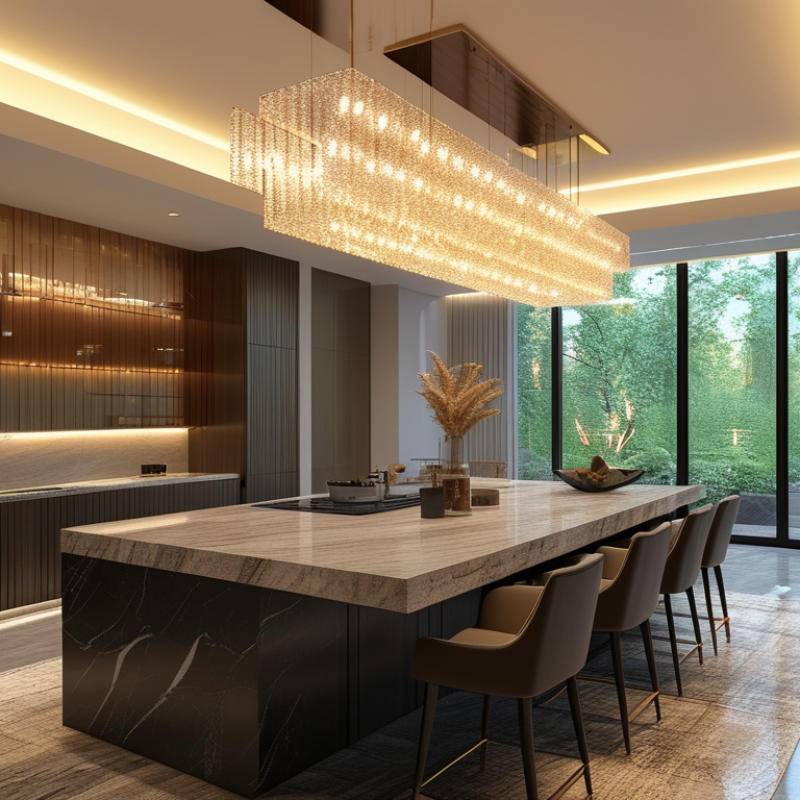
High voltage LED strips are becoming increasingly popular for indoor projects in 2026. They offer bright illumination and energy efficiency. Applications range from home decor to commercial lighting. Their versatility allows them to enhance various spaces, including kitchens and living rooms. Many people are starting to recognize their potential for creative lighting designs.

When using high voltage LED strips, safety is paramount. Ensure proper installation to avoid electric shocks. Using appropriate connectors and wiring is crucial. Missteps can lead to short circuits or fires.

Consider the color temperature of the LED strips. Warmer tones create a cozy atmosphere, while cooler tones can energize a space. It’s essential to select strips that fit the project’s needs. Think about placement and mood you want to achieve. Planning helps avoid costly mistakes down the road.

Safety Considerations for Using High Voltage LED Strips Indoors

High voltage LED strips offer bright illumination and energy efficiency. However, using them indoors presents specific safety concerns. According to the National Fire Protection Association (NFPA), electrical fires account for 21% of structural fires in the U.S. Proper installation techniques are crucial for minimizing risks associated with high voltage lighting.

When installing high voltage LED strips, it is vital to ensure adequate insulation and proper casing. Poor installation may lead to overheating and electrical shocks. The Occupational Safety and Health Administration (OSHA) emphasizes the importance of using certified fixtures that comply with safety standards. Incorrect wiring can lead to hazardous situations. Following manufacturer guidelines and employing the correct voltage ratings can greatly reduce risks.

In a survey by the International Association of Electrical Inspectors, over 30% of homeowners reported issues due to improper installations of LED lights. This illustrates the need for caution. Awareness of voltage ratings and circuit load capacity is essential. A single miscalculation could result in a significant safety hazard. Consequently, consulting with a licensed electrician is often a necessary step for high voltage indoor projects. This helps ensure compliance with safety regulations.

Energy Efficiency Ratings of High Voltage LED Strips Compared to Low Voltage

High voltage LED strips are gaining attention in various indoor projects. Their energy efficiency is a significant aspect that stands out. These strips can offer higher brightness levels while consuming less power compared to traditional lighting solutions. The variation in voltage greatly influences overall performance. For those planning to utilize these strips in 2026, understanding energy ratings is essential.

Low voltage LED strips typically use less electricity and generate less heat. This contributes to their safety in residential areas. However, high voltage options, with more robust wiring, can support longer runs without significant voltage drop. Users must carefully evaluate where they want to install these strips. A poorly planned installation can lead to inefficiency and potential hazards.

Despite their advantages, there are concerns. High voltage systems require more careful handling and installation knowledge. Proper insulation and waterproofing may be necessary. Potential users should weigh these factors against the potential benefits. Balancing efficiency with safety is crucial for any project. Understanding these trade-offs can lead to educated decisions in indoor lighting choices.

Energy Efficiency Ratings of High Voltage LED Strips Compared to Low Voltage (2026)

Regulatory Standards Guiding High Voltage LED Strip Usage in Indoor Spaces

High voltage LED strips are becoming more popular for indoor projects. However, understanding regulatory standards is essential. These standards ensure safety and efficiency. In 2026, various guidelines will dictate how to use high voltage LED strips indoors.

One key regulation involves the installation process. A qualified electrician should handle high voltage systems. This ensures compliance with local electrical codes. Mistakes can lead to safety hazards. Always check the specifications before installation. Proper planning is vital for any indoor project involving these strips.

Tips: If you're unsure, consult a professional. Conduct regular maintenance checks on your LED strips. Over time, wear and tear can affect performance. Inspect connections and wiring for damage. Pay attention to any flickering lights; it may indicate a problem.

Adhering to these guidelines can be challenging yet crucial. Indoor spaces can vary in layout and usage. Reflect on your project needs and local regulations. Make choices that align with safety standards to optimize your LED lighting experience.

Can I Use High Voltage LED Strips for Indoor Projects in 2026? - Regulatory Standards Guiding High Voltage LED Strip Usage in Indoor Spaces

Feature High Voltage LED Strips Safety Standards Voltage Levels Applications Regulatory Authority
Typical Voltage 120V - 240V AC UL, CE, FCC Compliance 100V to 277V Interior Accent Lighting European Commission, NEC
Energy Efficiency High Efficacy (>100 lumens/watt) RoHS Compliant Up to 400V for dedicated circuits Commercial Interior Lighting OSHA, EPA
Heat Management Minimal Heat Generation Thermal Ratings Must comply with thermal requirements Mood and Task Lighting Local Building Codes
Installation Complexity Requires Electrical Knowledge Installation Guidelines Professional Installation Recommended Architectural Lighting National Electrical Code

Market Trends and Consumer Demand for High Voltage LED Strip Lighting in 2026

As the demand for high voltage LED strip lighting grows, several market trends emerge in 2026. Consumers are increasingly seeking energy-efficient solutions. High voltage LED strips appeal to both residential and commercial sectors. They offer bright illumination while significantly reducing electricity costs. This trend aligns with a global push for sustainable energy practices.

However, potential buyers should consider compatibility. High voltage strips require proper installation. A lack of experience might lead to safety hazards. Additionally, some consumers report confusion regarding local electrical codes. Ensuring compliance remains a key factor. These concerns call for more educational resources and professional guidance in the market.

Moreover, innovation drives these products forward. Manufacturers now focus on design flexibility and durability. Strips with enhanced weather resistance are becoming more popular for outdoor use. Yet, quality control issues occasionally arise. Consumers report variations in light quality and longevity. This inconsistency can affect their purchasing decisions. Addressing these concerns will be crucial as the market evolves.

FAQS

: What are the main advantages of high voltage LED strips?

: They provide bright illumination and energy efficiency. They also support various indoor applications like home decor.

How should I ensure safety when installing high voltage LED strips?

Proper installation is crucial. Use appropriate connectors and wiring to avoid electric shocks and short circuits.

What factors should I consider when choosing LED strip color temperature?

Warmer tones create a cozy atmosphere. Cooler tones can energize a space. Choose based on your desired mood.

Why is proper installation critical for high voltage LED strips?

Poor installation can lead to overheating and electrical shocks. Following safety guidelines helps minimize these risks.

How do high voltage LED strips compare to low voltage ones in energy efficiency?

High voltage strips can achieve higher brightness with less power. However, low voltage options are generally safer for homes.

What common issues arise from improper installations of LED lights?

Many homeowners report safety problems. These include electrical hazards and inefficiencies that can result from poor planning.

Is it necessary to consult a professional for installation?

Yes, working with a licensed electrician is often essential. They ensure compliance with safety regulations and best practices.

How does planning your installation affect your project?

Thoughtful planning helps avoid costly mistakes. Poor planning can lead to inefficiency and potential hazards in lighting setups.

What precautions should be taken for insulation and casing?

Adequate insulation prevents overheating. Using certified fixtures ensures safety compliance, reducing risks associated with electrical installations.

Can high voltage LED strips be used in all indoor settings?

Yes, but careful consideration of placement and wiring is important. Miscalculations can create significant safety concerns.

Conclusion

As we look towards 2026, the growing popularity of high voltage LED strips raises the question: "Can I use high voltage LED strips for indoor residential projects?" These strips offer various applications, from ambient lighting to accent designs, making them an appealing choice for homeowners. However, safety considerations must be carefully evaluated, as high voltage systems require strict adherence to installation protocols to mitigate risks.

Energy efficiency is another critical factor; high voltage LED strips often outperform low voltage alternatives in terms of power consumption, making them an attractive option for eco-conscious consumers. Additionally, regulatory standards will play a key role in guiding their usage in indoor spaces. With emerging market trends indicating a strong consumer demand for innovative lighting solutions, high voltage LED strips are poised to become a popular choice for residential projects, provided that proper safety measures are taken.

Isabella

Isabella

Isabella is a dedicated marketing professional with a sharp focus on driving brand growth and engagement through strategic content creation. With an extensive background in digital marketing, she combines her passion for storytelling with her keen understanding of industry trends to deliver......