Installing LED strips can dramatically enhance the ambiance of your home. If you wonder how to install LED strips in a drywall recessed channel, you're in the right place. This task may seem straightforward, but it involves key steps that require attention.
Understanding your channel's dimensions is crucial. A precise fit ensures that the LED strips are securely placed and operate effectively. You will need the right tools, such as a measuring tape and adhesive backing. Failing to measure correctly can lead to gaps or misalignment.
Experience shows that planning the layout adds efficiency to the installation. Consider the lighting effect you desire. Will the strips highlight a feature or add subtle glow? Reflecting on your goals helps you achieve better results. Remember, if you make mistakes, it is part of the learning curve. Embracing these lessons makes future projects smoother. So, dive into the process and transform your space with these striking LED strips.
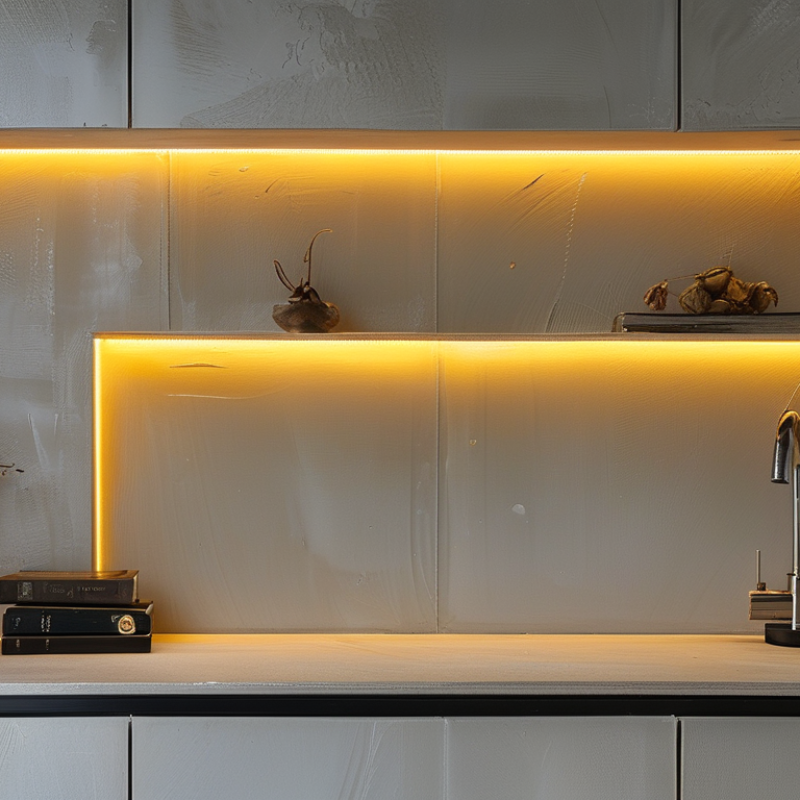
Understanding Drywall Recessed Channels for LED Strips
Understanding drywall recessed channels for LED strips can enhance your home’s lighting. These channels, typically cut into drywall, provide a neat, hidden place for LED strips. Proper installation offers many advantages, including improved aesthetics and reduced wiring visibility. However, it's important to familiarize yourself with the specific dimensions and layout needed for your space.
Before starting, measure your channel dimensions carefully. This helps avoid mistakes that can lead to uneven lighting. Don't forget to consider the direction of light as it impacts the overall room ambiance. Using channel covers can protect the LED strips while diffusing light, creating a soft, inviting glow.
Tips: Always double-check your measurements. Minor errors can lead to larger problems. Additionally, test your LED strips before installation. This ensures they function properly, saving time and effort. Lastly, consider the color temperature of your LEDs. Warmer tones create a cozy atmosphere, while cooler tones can energize a space. Be mindful of how each option will affect your overall design.
Choosing the Right LED Strip Lights for Your Project
Choosing the right LED strip lights for your project is crucial. The options available can be overwhelming. First, consider the brightness level you need. Measured in lumens, the brightness can significantly affect the ambiance of your space.
Next, evaluate the color temperature. LED strips come in various hues, from warm white to cool daylight. Warmer tones create a cozy environment, while cooler temperatures work well in workspaces. Pay attention to the CRI (Color Rendering Index) as well. A higher CRI means colors appear more accurately under the light.
Don't forget about the LED strip's flexibility and width. Narrow strips are great for tight spaces, while wider strips can deliver more light. Ensure the power supply matches the strip's voltage and wattage to avoid issues. You might mistakenly choose a strip that's too bright or too dim. Take your time to measure and plan before you buy. Each decision affects your overall project outcome. Trust your instincts but be ready to adapt and learn as you go.
How to Install LED Strips in Drywall Recessed Channels?
| Dimension |
Specification |
Usage |
Advantages |
| LED Strip Length |
16.4 ft (5 m) |
Residential Lighting |
Flexible and customizable |
| LED Type |
5050 SMD |
Accent Lighting |
High brightness and efficiency |
| Color Temperature |
Warm White (3000K) |
Mood Lighting |
Creates a cozy atmosphere |
| Power Supply |
12V DC |
Direct connection |
Safe and reliable power |
| Installation Method |
Self-adhesive |
DIY projects |
Easy and fast installation |
Tools and Materials Needed for Installation
When installing LED strips in drywall recessed channels, having the right tools and materials is crucial for a successful project. First, you will need an LED strip kit, which typically includes adhesive backing and connectors. According to a report by the Lighting Research Center, proper installation can enhance lighting efficiency by 30%. This emphasizes the importance of quality strips. A quality cutting tool is also vital, as LED strips often require precise measurements to fit snugly in channels.
In addition to LED strips and cutting tools, a utility knife is essential for fine adjustments. A level can help ensure your setup is straight, which is often overlooked. You may also want to have a ruler or measuring tape on hand for accuracy. As noted in industry data, improper measurements can lead to a poor installation, potentially wasting time and resources. Double-checking your dimensions is a step that shouldn't be rushed. While it is easy to cut corners in preparation, this may lead to uneven lighting effects, undermining the quality of your overall design.
Step-by-Step Guide to Installing LED Strips in Recessed Channels
Installing LED strips in recessed channels is a trending home improvement task. This installation offers both aesthetic appeal and energy efficiency. A recent study by the U.S. Department of Energy highlights that LED lighting uses at least 75% less energy than traditional incandescent lighting. This statistic alone shows the potential savings in energy costs when opting for LED.
Begin by selecting the right LED strip lights for your needs. Choose a channel that can accommodate the width of the strip. Next, ensure your channels are installed securely within the drywall. Keep in mind that poorly secured channels can lead to misalignment, causing undesirable light irregularities. A weak installation may affect performance and longevity. Once your channels are set, peel the adhesive backing off the LED strip. Carefully press the strip into the channel. An uneven surface can create gaps in the light beam, diminishing visual quality.
Proper planning is crucial. Measure carefully before cutting any strips. If you make a mistake, it can waste materials and time. It’s important to test each strip before fully installing. This allows you to identify any issues early on. Inconsistent lighting can detract from the intended design. After installation, consider using a dimmer switch to enhance mood settings. It's essential to familiarize yourself with electrical safety standards. Rushing this phase can lead to safety hazards. Following these steps can lead to a seamless and attractive LED strip installation.
LED Strip Installation Time Analysis
Safety Tips and Best Practices for LED Strip Installation
When installing LED strips in drywall recessed channels, safety should be your top priority. Always ensure the power is off before you begin. Using gloves can help prevent cuts or bruises from sharp edges. Double-check that the LED strips are rated for the intended environment. For damp or humid areas, specific LED types may be necessary.
Tips: Use a voltage tester to confirm that the power is off. It’s a simple step that can prevent accidents. Also, secure wiring properly to avoid future hazards. The last thing you want is a loose wire causing a short circuit.
Consider using a heat sink or ensuring proper ventilation if your LED strips generate too much heat. Be mindful of the placement and spacing within the channel. Too close can lead to overheating, and too far apart can affect the light quality. Reflect on your installation methods. Take your time to ensure everything is precisely measured and cut. Rushing can lead to mistakes, and correcting those can be tedious.
Conclusion
In the article titled "How to Install LED Strips in Drywall Recessed Channels?", readers are guided through the essential aspects of integrating LED strip lighting into recessed drywall channels. The first step is to understand the purpose and benefits of these channels, which provide a sleek, modern look while ensuring the lights are well concealed. Choosing the right LED strip lights tailored to the specific project is crucial for achieving the desired ambiance and brightness.
The article outlines the tools and materials needed for a successful installation, followed by a comprehensive step-by-step guide that details the process from preparation to completion. Additionally, safety tips and best practices are highlighted to ensure a safe and effective installation experience. By following this guidance, anyone can learn how to install LED strips in a drywall recessed channel, transforming their space with enhanced lighting.

 Zionsville Lighting