LED controllers are essential components in modern lighting systems. They manage the power and signal distribution to LEDs. However, many users wonder, "Why does my LED controller get hot during operation?" This concern is valid as high temperatures can lead to performance issues and potential failures.
Industry reports indicate that overheating can reduce the lifespan of LED controllers by up to 50%. Manufacturers recommend maintaining optimal temperatures for reliable performance. Factors such as insufficient heat dissipation, poor air circulation, and high ambient temperatures contribute to this problem. Users often overlook the importance of proper installation and ventilation, which are critical for maintaining system efficiency.
It's essential to recognize that while some heat generation is normal, excessive heat can signal underlying issues. Properly designed LED controllers should have built-in protections against overheating. If your device feels excessively hot, it’s crucial to assess the installation and operational environment. Understanding the causes of overheating can help improve both safety and performance in LED systems.
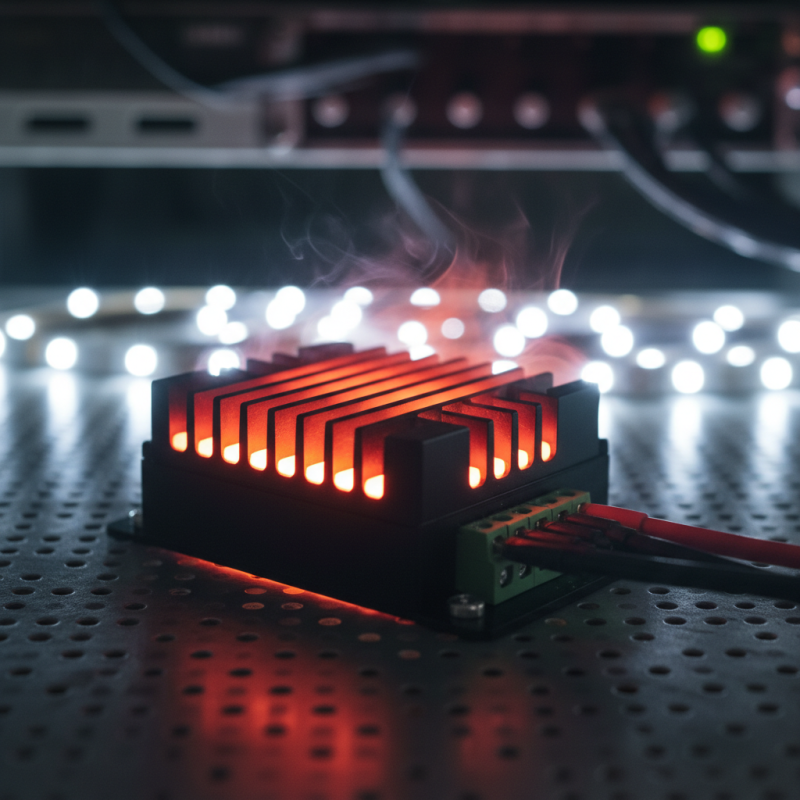
LED controllers play a crucial role in managing lighting systems. They adjust the voltage and current supplied to LED lights. This process ensures consistent brightness and color. However, it also generates heat during operation. Understanding why this happens is essential for maintaining optimal performance.
The heat produced by an LED controller is often a byproduct of power conversion. As electricity flows through the controller, energy loss occurs. This loss typically converts into heat. Factors such as ambient temperature, load size, and airflow can influence heating. While some heat generation is normal, excessive heat can reduce lifespan and efficiency.
It's important to consider the design of the controller. Some models are better at dissipating heat than others. Ensuring proper ventilation around the unit can help. If the controller frequently overheats, it may indicate an underlying issue. Regular monitoring and maintenance can prevent problems and enhance longevity. Attention to these details makes a significant difference in performance.
Heat generation in electronic devices, like LED controllers, is a common phenomenon. This occurs due to electrical resistance within the components. When current flows through a conductor, energy is lost in the form of heat. This is a basic principle of electronics, yet it can confuse many users.
At its core, the efficiency of an LED controller plays a significant role in this heat production. Inefficient components can lead to excessive energy loss. As more energy converts to heat, the device becomes warm or hot during operation. Design choices, such as the quality of materials, can also influence thermal performance.
Users might find that some setups run hotter than others. This variation often stems from differing operational conditions. Poor ventilation or high ambient temperatures can exacerbate heat issues. Acknowledge these factors and consider potential improvements. Understanding your device is essential for optimal use.
This bar chart illustrates the average temperature increase of LED controllers during operation under different load conditions.
LED controllers are essential for managing light intensity and color. However, many users notice these devices can become hot during operation. Understanding the common causes of overheating can help you maintain optimal performance and extend the lifespan of your equipment.
One frequent reason for overheating is inadequate ventilation. If an LED controller is placed in a confined space, hot air cannot escape. This leads to a buildup of heat that can damage internal components. Another cause is overloading the controller. Exceeding the recommended wattage can cause excess current draw, which generates heat. Similarly, using low-quality components can exacerbate this issue, as they may not handle electrical loads effectively.
Heat sinks are designed to dissipate heat, but these also require maintenance. Dust can accumulate and block airflow. Regularly cleaning the vents and heat sinks can help prevent this issue. Equally important is checking for firmware updates. Sometimes, outdated software can cause inefficiency, leading to increased heat production. Keeping your controller well-maintained will not only reduce heating but improve overall performance.
LED controllers can become quite warm during operation. This heat is often a byproduct of electrical resistance and power loss. Managing this heat is crucial for maintaining the longevity and efficiency of your LED system. Here are some preventive measures to help you reduce heat buildup.
Ensure proper ventilation for your LED controller. A well-ventilated area allows heat to dissipate. Avoid placing the controller in tight spaces. Remember to check surrounding objects that might trap heat. Dust can also impede airflow. Keep the area clean and free from dust buildup.
Another tip is to monitor the power usage of your LEDs. Overloading the controller can lead to excessive heat. Selecting the right power supply is vital. A power supply that exceeds the required voltage can also generate unnecessary heat. Stay within the recommended voltage range for optimal performance.
Consider adding heat sinks or fans to your LED controller. These devices can effectively disperse heat away from the unit. This added cooling can greatly extend the operational life of the controller. Regularly inspect these cooling mechanisms to ensure they are functioning properly.
LED controllers can generate heat during operation for various reasons. Overdriving the LEDs is a common issue. When exceeding the rated current, controllers work harder, leading to excess heat generation. Poor ventilation also plays a critical role. A confined space can prevent heat dissipation, which might escalate the situation. According to a report by the International Energy Agency, efficiency is key; even a 10% increase in efficiency can significantly reduce heat buildup.
Recognizing when to seek professional help is crucial. If the LED controller becomes excessively hot, it could indicate underlying issues. Signs of damage may not be obvious but can lead to failures. Industry experts recommend monitoring temperatures regularly. If the controller operates at temperatures above 70°C, professional assessment is advised. This is supported by findings from the Cooling Technology Institute, which emphasizes that prolonged exposure to high temperatures can shorten lifespan and performance.
In cases of repeated overheating, it may be time to consult a technician. DIY solutions may not address the root problem. Misconfigured settings or aging components could be factors needing expertise. Ignoring these signs can result in costly downtime and replacements. Ensuring that the system is operating within safe parameters is vital for longevity and efficiency.
| Issue | Description | Recommended Action | When to Seek Help |
|---|---|---|---|
| Overload of connected LEDs | Too many LEDs are connected beyond the controller's capacity. | Reduce the number of connected LEDs or upgrade the controller. | If issue persists after adjustments. |
| Poor ventilation | Insufficient airflow around the controller can cause heat buildup. | Ensure proper ventilation; relocate the controller if needed. | If there are signs of physical damage or continued overheating. |
| Faulty components | Defective components within the controller can lead to overheating. | Inspect and replace any faulty parts. | If unable to identify or replace faulty components. |
| Voltage fluctuations | Inconsistent voltage supply can cause controllers to overheat. | Use a voltage stabilizer or check power supply. | If voltage issues cannot be resolved. |
| Incompatible components | Using components that are not compatible can lead to inefficiencies. | Ensure all components are compatible before installation. | If you suspect compatibility issues and are unsure. |
: LED controllers manage lighting by adjusting voltage and current to ensure consistent brightness and color.
Heat is produced due to power conversion and energy loss as electricity flows through the controller components.
Ambient temperature, load size, and airflow impact heating. Poor ventilation can increase heat issues significantly.
Overheating reduces the lifespan and efficiency of LED controllers, leading to potential failures.
Seek help if the controller exceeds 70°C or repeatedly overheats, indicating possible underlying problems.
Overdriving LEDs beyond their rated current is a common mistake that increases heat generation significantly.
Regular temperature checks help identify potential issues early and prevent costly replacements or downtime.
Factors like ventilation and environmental temperature should be assessed for potential improvements.
DIY solutions may not address the root causes; consulting a technician can provide a better assessment.
The quality of materials and design efficiency can significantly influence how well it dissipates heat.
Understanding why your LED controller gets hot during operation is essential for maintaining its performance and longevity. LED controllers play a pivotal role in managing the electrical input to LEDs, but their operational efficiency can lead to heat generation due to factors such as electrical resistance and power losses. The science behind this heat generation indicates that all electronic devices produce some heat, but common causes of overheating in LED controllers may include inadequate ventilation, excessive current draw, or prolonged usage without breaks.
To mitigate these overheating issues, preventive measures like ensuring proper airflow, using heat sinks, and selecting the appropriate controller for your specific application are highly recommended. If overheating persists despite these efforts, it may be wise to seek professional assistance to address potential underlying problems. Ultimately, understanding "Why does my LED controller get hot during operation?" can help you implement effective strategies to ensure safe and optimal performance.

Zionsville Lighting