LED neon flex lighting has gained immense popularity for its vibrant colors and flexibility. However, many users notice a concerning trend: over time, LED neon flex displays can turn yellow. This phenomenon raises a critical question: What causes LED neon flex to turn yellow over time?
Dr. Emily Jensen, a renowned expert in LED technology, emphasizes the impact of UV exposure. She states, "Extended exposure to sunlight can degrade the materials used in LED flex, leading to discoloration." This degradation can be attributed to several factors. For instance, the quality of the materials plays a significant role. Low-grade products may yellow much faster than their premium counterparts. Additionally, environmental factors such as humidity and temperature can further accelerate the aging process.
Moreover, while LED neon flex lighting is often marketed for its durability, the reality can be quite different. Users may not realize that proper installation and placement are crucial. A poorly positioned light strip that receives too much direct sunlight is more likely to sustain damage. Awareness of these contributing factors can help businesses and consumers protect their investments and maintain the aesthetic appeal of their LED neon flex displays.
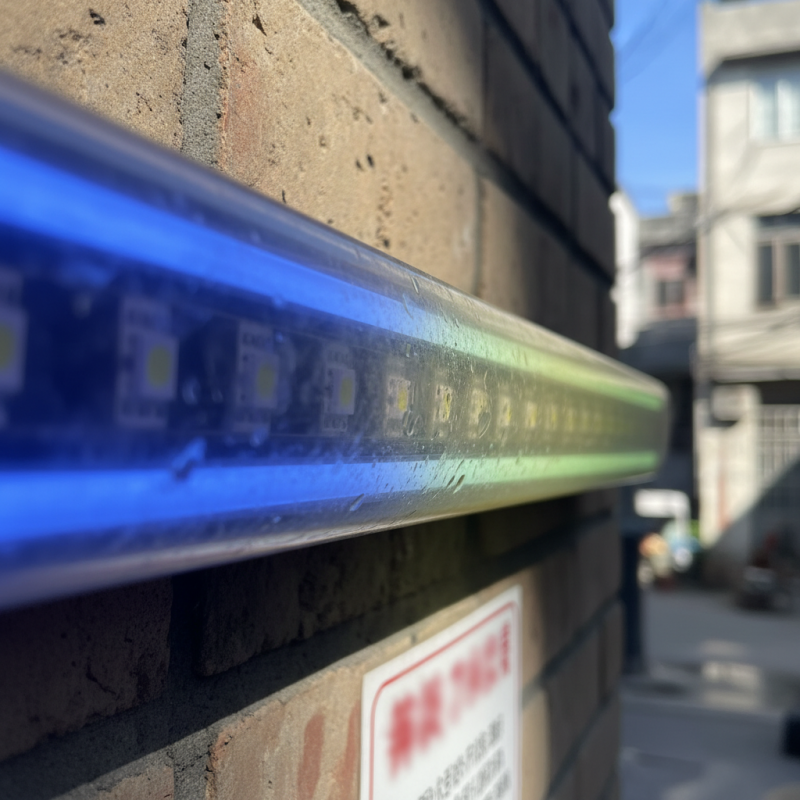
LED Neon Flex has gained popularity for its vibrant illumination and versatility. It mimics traditional neon lights while offering improved energy efficiency and durability. However, one concern persists: the tendency of LED Neon Flex to yellow over time.
Understanding the materials used in producing these flexible LED lights sheds light on this issue.
Most LED Neon Flex products incorporate PVC or silicone as protective casings. Research indicates that exposure to UV radiation and environmental pollutants can lead to material degradation. A study from the Lighting Research Center shows that prolonged UV exposure can diminish the aesthetic quality of the product, causing it to yellow. This finding emphasizes the importance of proper installation locations shielded from harsh sunlight.
Moreover, inconsistencies in manufacturing can impact longevity. Quality control varies across the industry, affecting color stability. A report from the International Association of Lighting Designers notes that some lesser-known manufacturers may not adhere to robust testing protocols. This can lead to variations in material quality and potential yellowing. Choosing high-grade materials and reputable suppliers can help mitigate these issues, although not completely eliminate them.
: LED Neon Flex is a flexible lighting option that mimics traditional neon lights, providing vibrant illumination.
Yellowing occurs due to UV exposure and material degradation, especially when used in harsh environmental conditions.
Place the lights away from direct sunlight and ensure proper ventilation to reduce the risk of yellowing.
Most products use PVC or silicone as protective casings, which can degrade when exposed to environmental factors.
No, yellowing varies based on chemical composition, manufacturing methods, and environmental exposure.
Heat can trigger chemical reactions leading to polymer degradation, which may accelerate the yellowing process.
Use a soft, damp cloth to clean the surface. Avoid harsh chemicals that can damage the material.
Quality control varies. Some manufacturers may not meet stringent testing protocols, affecting product longevity.
Yes, extreme temperatures can contribute to material degradation and reduce its aesthetic appeal over time.
Be proactive by maintaining stable temperatures, ensuring ventilation, and cleaning regularly.
LED neon flex has gained popularity for its versatility and vibrant illumination, but many users wonder "What causes LED neon flex to turn yellow over time?" This phenomenon primarily results from a combination of factors including the chemical composition of materials used in the LED flex, exposure to UV light, and environmental conditions. Over time, these elements can lead to degradation of the flexible materials, causing a yellowing effect.
To combat yellowing, it is essential to understand the chemistry behind the LED neon flex and implement preventative measures such as using UV-resistant coatings and ensuring proper installation to minimize exposure to harsh environmental elements. Comparative analysis with traditional neon reveals that while LED neon flex offers advantages in energy efficiency and durability, its susceptibility to yellowing remains a significant consideration for users seeking long-lasting aesthetic appeal.

 Zionsville Lighting