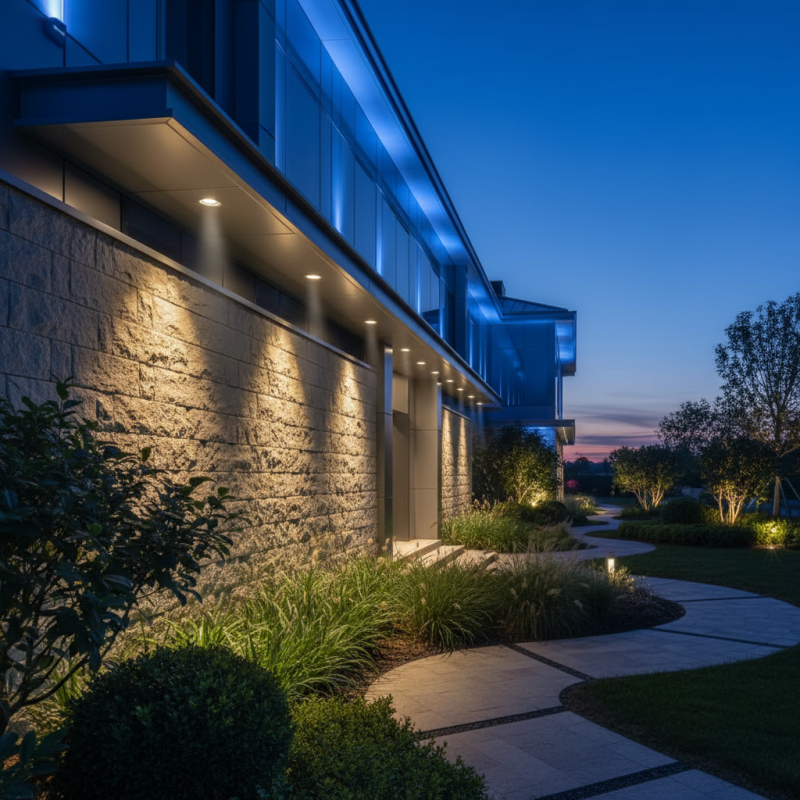
When considering outdoor architectural lighting, one may ponder, "How to install LED wall washers for outdoor architectural lighting?" A well-planned installation can transform your space. LED wall washers offer not only beauty but also functionality. They enhance features of buildings, landscapes, and structures.
In this guide, we share essential tips for effective installation. One key point is ensuring the right placement for optimal effects. Consider factors like height and angle when positioning your washers. Proper power supply is also crucial. It not only affects performance but also safety.
Additionally, remember that not everything goes as planned. Weather conditions can cause delays. Ensure you have backup plans for unexpected issues. Reflecting on experiences from previous projects can lead to better results. With the right approach and knowledge, your outdoor lighting will shine brilliantly.
Selecting the Right LED Wall Washers for Outdoor Use
When choosing LED wall washers for outdoor use, consider important factors like brightness and durability. Industry reports suggest that the right brightness can significantly enhance exterior aesthetics. A luminance of 1000-3000 lumens per fixture is often recommended for effective illumination.
Material is crucial too. Look for wall washers with weatherproof ratings like IP65 or higher. These ratings ensure that fixtures can withstand rain and dust without compromising their lifespan. Reliable data indicates that high-quality LED fixtures have a lifespan of over 50,000 hours, reducing replacement costs.
Tip: Choose adjustable beam angles. This flexibility allows you to focus light where it's needed most, creating dramatic effects. It's also essential to evaluate color temperature. A range between 2700K to 5000K suits various scenarios, offering warm to cool tones as needed.
Finally, remember that installation location impacts performance. Fixtures located in shaded areas might need more light. Research indicates that poor positioning can diminish the intended visual effect, resulting in wasted resources and energy.
Top 10 Tips for Installing LED Wall Washers Outdoors
Assessing Installation Locations and Surface Compatibility
When installing LED wall washers outdoors, assessing installation locations is crucial. Start by evaluating the area’s overall environment. Consider factors like foot traffic, plants, and existing structures. The right placement can enhance the fixture’s effectiveness and create an appealing effect. A report from the Lighting Research Center suggests that 30% of outdoor lighting projects fail due to improper planning. Take time to understand the space.
Surface compatibility is equally important. Different surfaces reflect light differently. Concrete, for example, may absorb more light than wood. Installing on a reflective surface can maximize illumination and distribute light evenly. According to the International Association of Lighting Designers, 50% of projects underestimate how surface materials interact with lighting.
Weatherproofing is another point to consider. Outdoor installations face moisture, UV exposure, and temperature changes. Ensure that the materials and fixtures chosen can withstand these elements. Some installations fail prematurely due to lack of weather resistance. Regular maintenance checks are also necessary. Light fixtures can deteriorate over time, affecting performance. Engaging with a knowledgeable contractor can help avoid these common pitfalls.
Understanding Electrical Requirements and Wiring Essentials
When installing LED wall washers outdoors, understanding electrical requirements is crucial. Begin by selecting the right power supply. Ensure it matches the voltage specifications of your LED fixtures. A mismatch can cause damage. Consider using outdoor-rated cables. These cables resist weather conditions, contributing to longevity and safety.
Wiring essentials include understanding circuit load. Overloading a circuit can lead to failures and pose a fire risk. Check local codes to ensure compliance. Proper connections are vital. Use watertight connectors to prevent moisture intrusion. This safeguard protects your lighting system and enhances reliability. Always plan for accessibility in your wiring layout. It simplifies future maintenance.
Also, remember to incorporate safety elements into your installation. Ground the system to prevent electrical shock. While it may seem cumbersome, it is essential for outdoor setups. Test all connections before finalizing the installation. Even minor mistakes can lead to significant issues later. Taking these precautions can grant peace of mind and ensure your outdoor lighting shines bright for years to come.
Ensuring Proper Weatherproofing for Outdoor Installations
When installing LED wall washers outdoors, proper weatherproofing is crucial. Statistics indicate that nearly 30% of outdoor lighting failures stem from inadequate protection against the elements. Ensuring your fixtures are rated for outdoor use can significantly enhance their lifespan. For instance, look for IP ratings of at least IP65, which guarantees resistance to dust and water jets.
Consider using silicone sealants to reinforce joints and openings in the fixtures. Regularly inspect these areas for wear, as even small gaps can allow moisture ingress. It’s also wise to elevate the fixtures to minimize water pooling. Additionally, using weather-resistant brackets can further secure the lights against harsh winds.
One tip worth mentioning includes utilizing a surge protector. Outdoor installations often face voltage spikes due to lightning. A surge protector can prevent damage to your lighting system. As noted in industry reports, systems protected this way can last three times longer than those without. Be mindful to choose fixtures that can withstand extreme temperatures. Inadequate thermal management can lead to premature failure.
Lastly, don't ignore power sources. Ensure all connections are made with waterproof connectors. Over time, corrosion can lead to breakdowns. Ignoring this might seem like a minor error, yet it can have significant repercussions on your lighting system.
Implementing Effective Light Direction and Angling Techniques
When installing LED wall washers outdoors, effective light direction is crucial. According to recent industry reports, over 70% of outdoor lighting failures stem from improper angling. Ensuring that your fixtures are properly tilted is key to illuminating desired areas without glare. Aim your lights at a 30-degree angle for broader coverage, which helps in achieving a more even distribution of light. Excessive brightness can create harsh shadows or distract from the aesthetics of the area.
It is also essential to consider the surface textures that your light interacts with. Rough surfaces tend to scatter light, while smooth surfaces reflect it. According to lighting experts, a 10% increase in directionality can enhance light perception significantly. Experimenting with distances can prove beneficial. Moving wall washers further from walls can soften the light effect and create a gradual fade.
Be prepared to adjust your setup after the initial installation. You might discover certain angles create unwanted hotspots or uneven illumination. Regularly reassess your positioning and make changes to ensure optimal performance and visual appeal. Remember, ongoing adjustments are part of the process, contributing to a refined outdoor lighting design.
FAQS
: Consider brightness and durability. Aim for brightness between 1000-3000 lumens per fixture.
Look for fixtures with at least an IP65 weatherproof rating. This protects against rain and dust.
Adjustable beam angles let you focus light where needed, creating desired visual effects in your space.
A range of 2700K to 5000K offers both warm and cool tones. This range fits various outdoor scenarios.
Use a compatible power supply. Mismatched voltage can damage fixtures, leading to potential failures.
Up to 30% of outdoor lighting failures are due to lack of weather protection. Ensure IP ratings are at least IP65.
Inspect joints regularly for wear. Use silicone sealants to prevent moisture ingress and prolong fixture lifespan.
Install a surge protector. This can help prevent damage from voltage spikes, especially during storms.
Grounding prevents electrical shocks. It may seem cumbersome but it's crucial for safety in outdoor setups.
Plan for accessibility in your wiring. This simplifies maintenance tasks and helps avoid complications later on.
Conclusion
Installing LED wall washers for outdoor architectural lighting involves several critical steps to ensure optimal performance and longevity. First, it's essential to select the right LED wall washers designed for outdoor use, carefully assessing factors such as brightness, color temperature, and energy efficiency. Next, evaluating potential installation locations and the compatibility of surfaces is crucial for achieving the desired aesthetic and functionality.
Understanding the electrical requirements, including wiring essentials, ensures a safe and effective installation. Additionally, proper weatherproofing is necessary to protect the fixtures from the elements, as outdoor environments can be unpredictable. Lastly, implementing effective light direction and angling techniques can significantly enhance the visual appeal of the architecture. By following these guidelines, you can successfully address the question of how to install LED wall washers for outdoor architectural lighting, creating a beautiful and lasting illuminated space.

 Zionsville Lighting