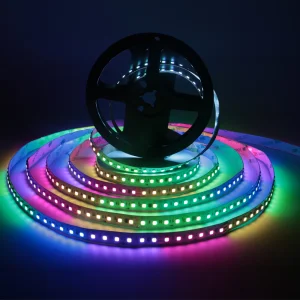
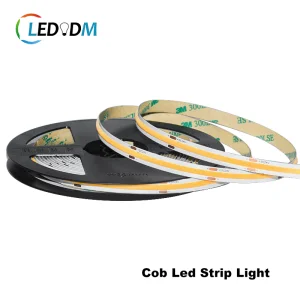
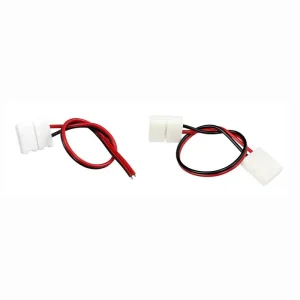
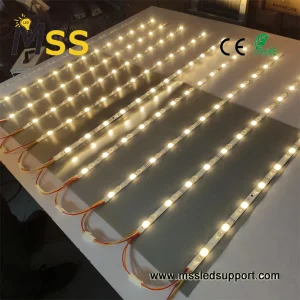
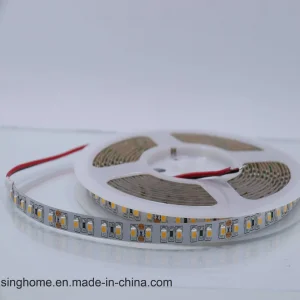
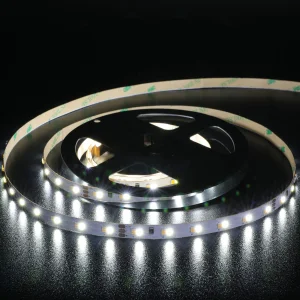
Explore our state-of-the-art custom-engineered linear configurations, featuring high-fidelity color representation, precise light guide projection, and robust manufacturing standards.
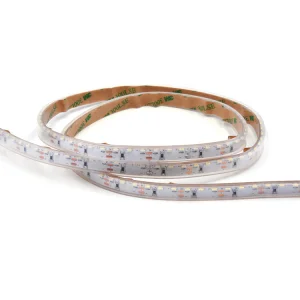
In high-end architectural design, commercial display illumination, and modern signages, light directionality and space constraints determine the choice of light fixtures. Traditional top-emitting LED strips project light perpendicular to the circuit board, which often requires deep profile mounting channels to prevent hotspotting and pixelation. This is where Side-Emitting (Side-View) LED Light technology steps in as an indispensable engineering breakthrough.
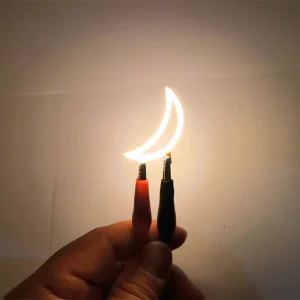
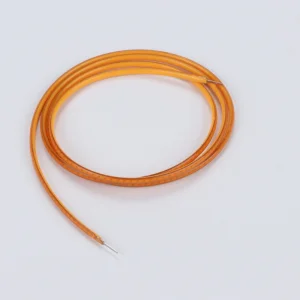
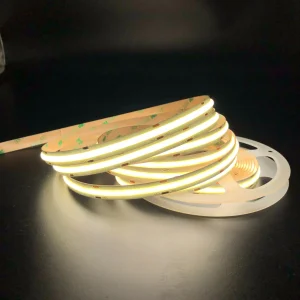
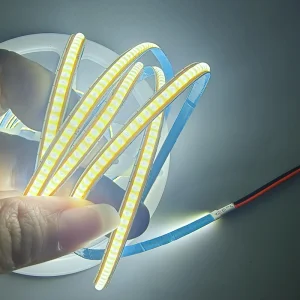
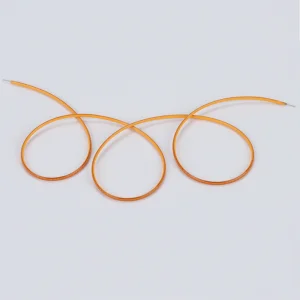
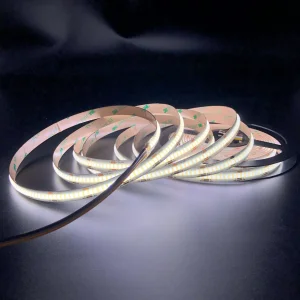
By mounting special sub-miniature SMD (Surface Mount Device) packages, such as 3014, 4020, or specialized side-view COB (Chip-on-Board) structures, at a precise 90-degree angle relative to the FPCB (Flexible Printed Circuit Board) plane, side-emitting light strips project illumination parallel to their mounting plane. This specific design facilitates highly creative, indirect light distributions, ultra-low profile linear integrations, and edge-lit structures without the visual interference of standard vertical profiles.
Side-view LEDs are highly valued in premium architectural detailing because they allow light to guide smoothly along surfaces like alcoves, retail shelving margins, and stair treads. Since the primary light output is directed horizontally, engineers can leverage reflective surface materials to diffuse the beam, achieving zero-glare, dotless linear lighting that is visually soothing yet energy-efficient.
Furthermore, side-emitting technology is crucial for modern backlighting systems. In structural signage, direct backlighting requires significant depth to avoid bright spots. By using side-emitting arrays around the perimeter of panels, the depth of illuminated displays can be reduced by up to 70% while maintaining absolute uniformity across the entire panel face.
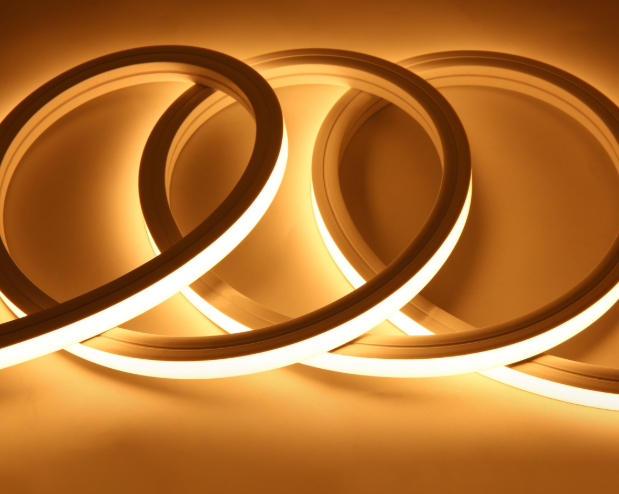
For lighting designers, commercial distributors, and industrial buyers, sourcing Side-Emitting LED Strips involves evaluating metrics beyond generic brightness parameters. Sourcing engineering-grade components requires careful analysis of mechanical, electrical, and optical properties:
Year of Inception
Exporting Countries
Repurchase Rate
Product Warranty
Quality Inspection
Established in 2011, Zhejiang Zionsville Lighting Co., Ltd. has grown to become a leading global manufacturer and exporter of highly specialized, high-performance LED lighting solutions. Our state-of-the-art facility integrates advanced research and development with scalable automated production. Over the last decade, we have honed our expertise in designing, customizing, and manufacturing Neon Lights, COB Strips, LED Strips, and LED Washers that meet rigid engineering and commercial criteria.
At Zionsville, we understand that standard off-the-shelf catalog products do not always suit complex architectural installations. That is why we specialize in robust OEM/ODM services, engineering bespoke profiles, customized PCB board paths, specific wire integration systems, and custom mounting extrusions tailored to the exact specifications of our clients. Operating under a strict ISO9001:2015 quality management framework, we guarantee that all production matches international performance and safety standards.
Our veteran engineering team delivers rapid solutions for complex briefs. We introduce new product series annually and offer custom mold engineering, allowing your brand to lead market shifts with bespoke form-factors.
From custom branding and color-coded packaging labels to custom PCB board dimensions and specialized connectors, we deliver tailor-made options at zero design fee to match your procurement processes.
Our fully-equipped in-house laboratory conducts integrating sphere testing, thermal aging, high/low temperature tests, mechanical twist and pull tests, IP65/IP67/IP68 ingress testing, and electrical IES profiling.
Equipped with more than 30 automated high-speed SMT placement lines and continuous extrusion machinery, we guarantee high precision, short delivery lead times, and stable production consistency.
Our specialized QC division carries out a 100% multi-stage testing procedure before any shipment leaves our facility, eliminating defects and verifying lumens, current, and color uniformity.
We provide complimentary pre-production samples, support no minimum order quantity (MOQ) configurations for standard profiles, maintain safety buffer stock, and back all products with a 5-year warranty.
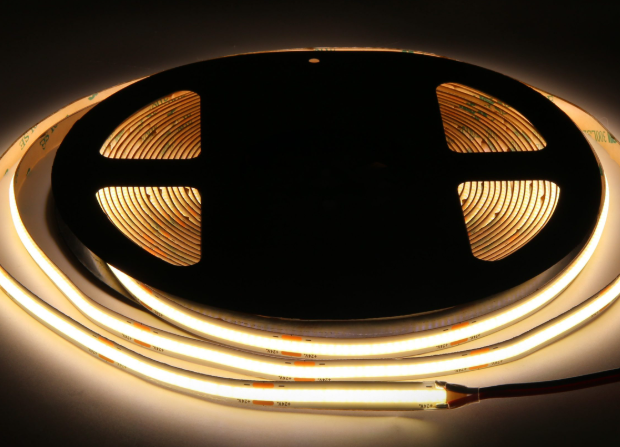
Zionsville products are widely distributed to over 30 countries and regions worldwide, including the United States, Mexico, Germany, Portugal, Spain, Italy, and Saudi Arabia. Our relentless focus on premium performance and transparent business conduct has secured a 99% repurchase rate among our core architectural and industrial client partners.
We work collaboratively with lighting design studios, electrical wholesale networks, and industrial manufacturers to deliver solutions that save time, lower installation complications, and minimize long-term maintenance costs.
As the LED lighting market shifts toward architectural minimalism, side-emitting technology is evolving along three key technical axes:
1. Ultra-Narrow Pitch & Dotless Side-Emitting COB Assemblies: Traditional side-emitting SMDs can create localized glare points if the diffuser is extremely thin. The future lies in high-density side-emitting COB configurations, placing more than 500 micro-dies per meter. This achieves a seamless line of light even within a 4mm width channel.
2. Multi-Channel Addressable Integration (RGBIC/Smart Pixel): Real-time dynamic control is no longer restricted to standard top-view linear strips. Complex installations now demand addressable side-view solutions (such as side-emitting 2835 Smart Pixel lines). By incorporating integrated drive circuits (ICs) directly inside the 90-degree LED package, designers can create sophisticated side-view dynamic lighting effects, running chases, and acoustic sync modes without taking up extra installation space.
3. Advanced Sustainable Silicone Co-Extrusion: Moving away from toxic or unstable plastics, next-generation neon flex lines rely on medical-grade, double-injection silicone. This material provides superior UV resistance, higher thermal endurance, excellent light transmittance, and resists chemical deterioration in harsh marine or industrial environments.
International commercial projects require rigorous safety and environmental certifications. Sourcing from Zionsville means immediate compliance with key global certification systems:
Review technical answers to common questions about selecting, specifying, and installing side-view linear systems.
The main difference is the light output direction. Top-emitting LEDs project light perpendicular to the circuit board, whereas side-emitting LEDs project light parallel to the board (at a 90-degree angle). This makes side-emitting designs ideal for ultra-thin spaces, indirect backlighting, and flush architectural detailing where the light strip itself must remain hidden.
Operating at 24V DC halves the current requirements compared to a 12V DC system for the same wattage. This reduction in current minimizes voltage drop over distance, ensuring even illumination intensity and color consistency from the power feed to the end of the run. It also allows for longer continuous installations with fewer power feed points.
Yes, we provide full OEM/ODM services. We can customize the color temperature (ranging from ultra-warm 2100K to cool 6500K) and adjust the CRI parameters (Ra > 90, Ra > 95, or high R9/R12 specifications) to meet the exact design requirements of your project.
Silicone co-extrusion offers far superior UV protection, thermal stability, and flexibility compared to PVC. It does not yellow or harden when exposed to outdoor sunlight or high temperatures, and it contains no toxic plasticizers, making it a safer and longer-lasting option for premium installations.
We maintain strict MacAdam Ellipse binning controls (within 3-step or 5-step parameters depending on specifications). We document and archive original chip binning parameters for every project, allowing us to supply matching color profiles for subsequent project phases.
Explore our selection of high-reliability accessories, mini COB runs, and specialty structural lights engineered for international distribution networks.
 Zionsville Lighting